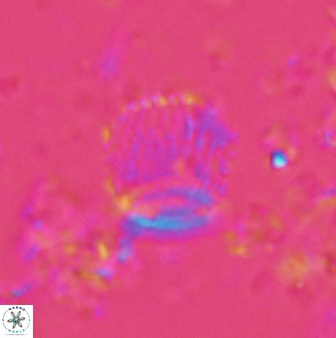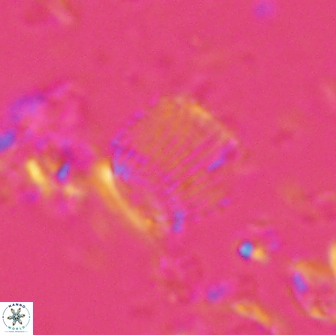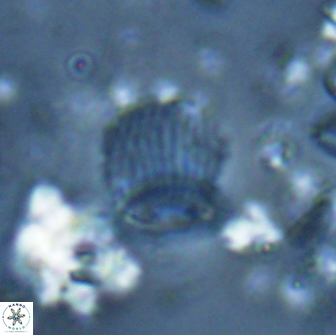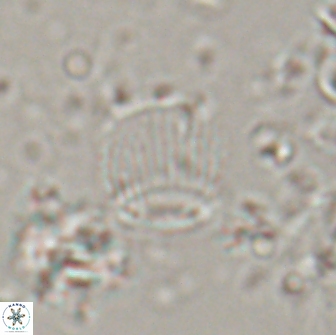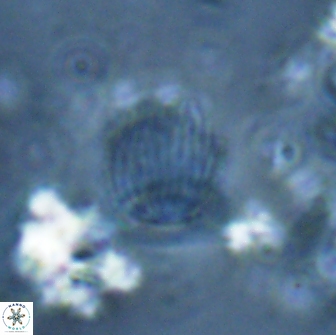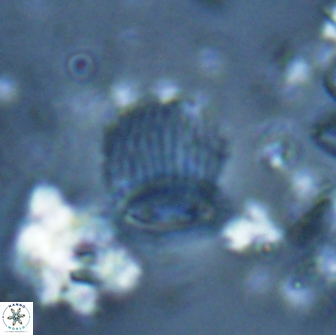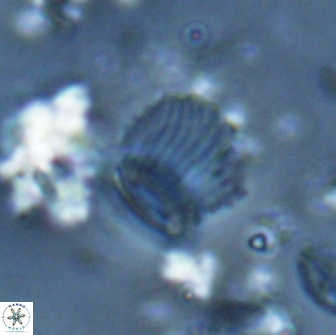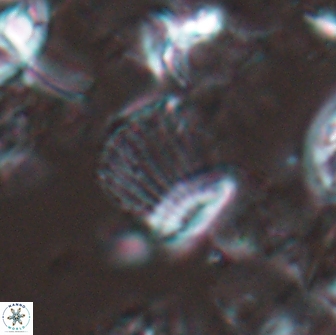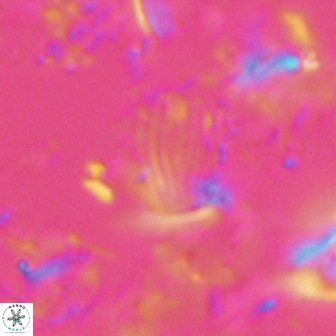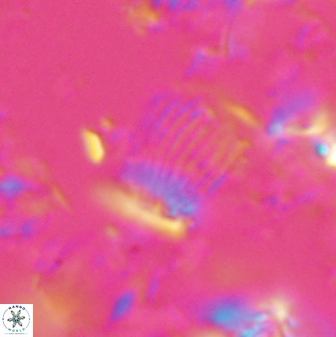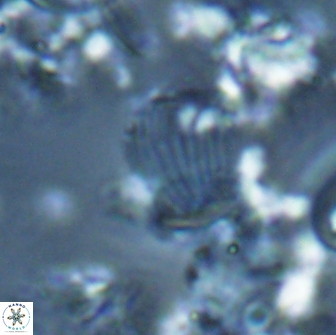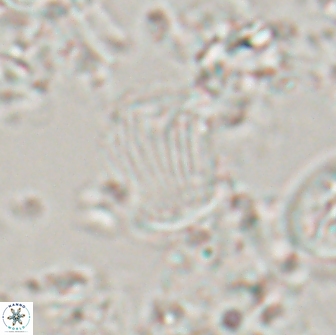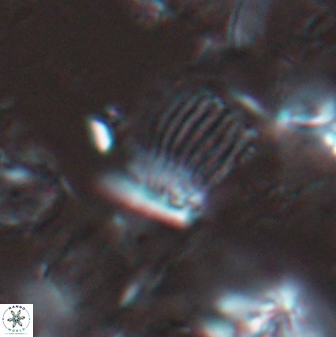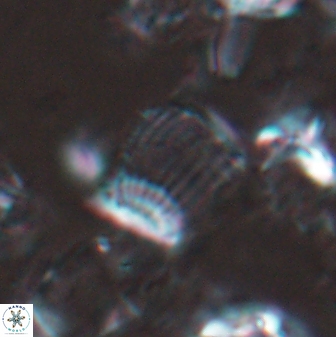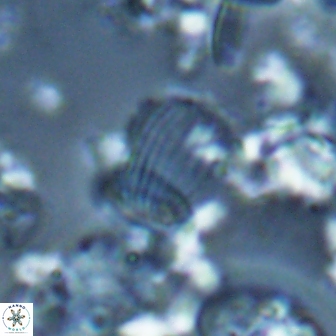
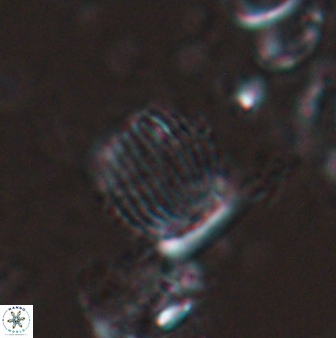
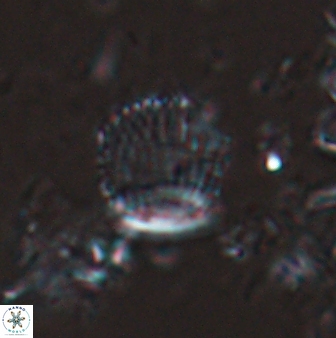
Set number: 2770

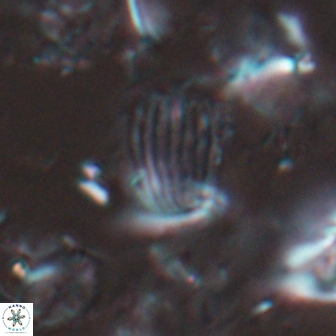
  • Boletuvelum phossonos 16219 1
  • Boletuvelum phossonos 16217 2
  • Boletuvelum phossonos 16215 3
  • Boletuvelum phossonos 16225 4
  • Boletuvelum phossonos 16220 5
  • Boletuvelum phossonos 16218 6
  • Boletuvelum phossonos 16216 7
  • Boletuvelum phossonos 16222 8
  • Boletuvelum phossonos 16221 9
  • Boletuvelum phossonos 16223 10
  • Boletuvelum phossonos 16224 11
  • Boletuvelum phossonos 16226 12
    10µm
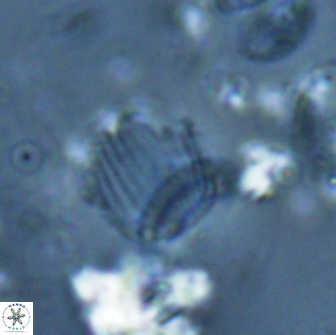
Boletuvelum phossonos, Late Campanian, DSDP Leg 36, Site 327A, The Maurice Ewing Bank, Falkland Plateau

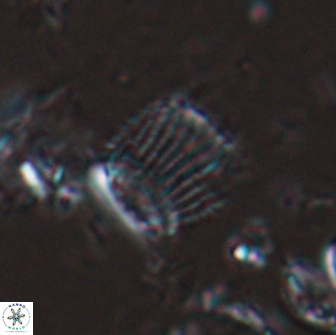
Set number: 2769

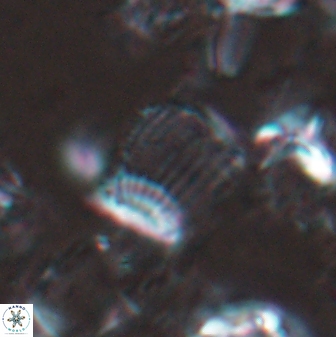
  • Boletuvelum phossonos 16170 1
  • Boletuvelum phossonos 16172 2
  • Boletuvelum phossonos 16174 3
  • Boletuvelum phossonos 16181 4
  • Boletuvelum phossonos 16171 5
  • Boletuvelum phossonos 16173 6
  • Boletuvelum phossonos 16177 7
  • Boletuvelum phossonos 16179 8
  • Boletuvelum phossonos 16178 9
  • Boletuvelum phossonos 16176 10
  • Boletuvelum phossonos 16175 11
  • Boletuvelum phossonos 16182 12
    10µm
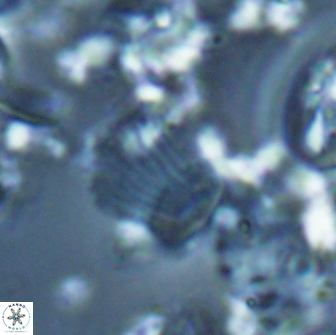
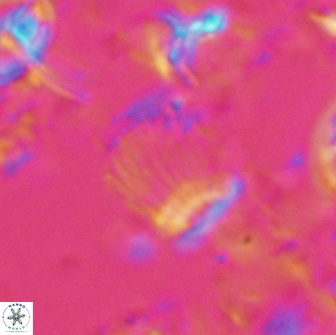
Boletuvelum phossonos, DSDP Leg 36, Site 327A, The Maurice Ewing Bank, Falkland Plateau
Final Epithet
Boletuvelum phossonos Varol, in prep.
Basionym

Boletuvelum phossonos Varol, in prep.

Synonyms

Boletuvelum sp. 1 sensu Hattner & Wise, 1980; pl.4, fig. 9; pl. 5, figs. 1-2

Diagnosis

Species of Boletuvelum are characterised by deformed distal and proximal plates and a massive, hollow, sail-like distal process ornamented with longitudinal ribs, which gently flares outward.

Etymology

From Greek phossonos, sail- referring to its sail-like distal process

Dimensions Of Holotype

Maximum diameter of the base: 4.62 µm, Height of the distal process: 5.0 µm, Maximum width of the distal process: 4.78 µm

Description

Boletuvelum phossonos has a deformed placolith structure supporting a hollow, sail-like distal process that gradually flares outward and bears longitudinal ornamentation in the form of ribs.

Optical Properties

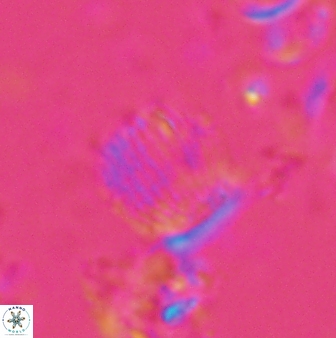
This species is commonly observed in side view because of its massive distal process, which displays greyish-white interference colors and exhibits length-slow (+) elongation, indicating that the optic axis (c-axis) is perpendicular to its length.