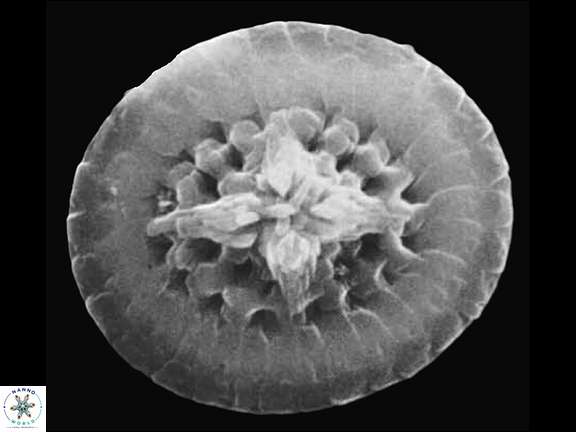
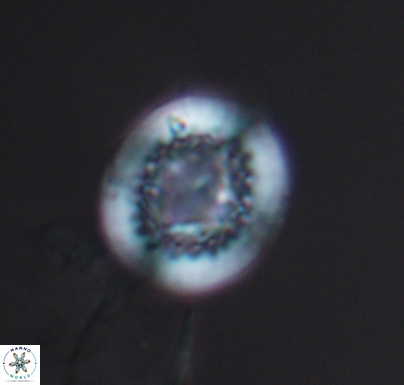
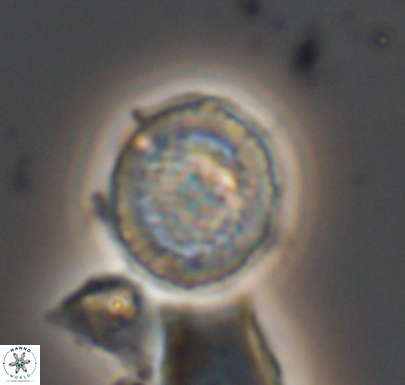
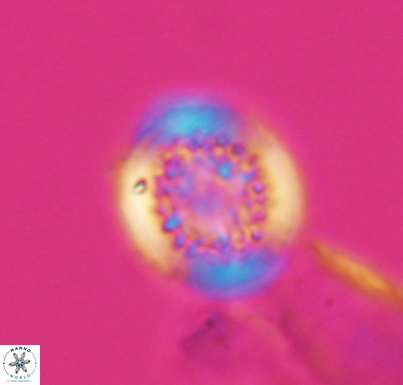
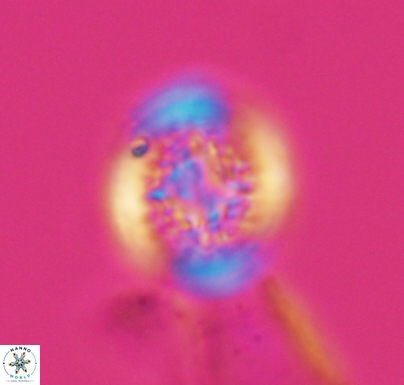
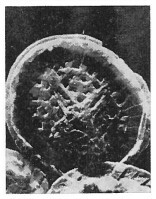
SEM photo of Cretarhabdus primus from Wise & Wind, 1977 (Pl. 69, Fig. 2)
 1
1
 2
2
 3
3
 4
4
 5
5
 6
6
 7
7
 8
8
 9
9
 10
10
 11
11
 12
12
 13
13
 1
1
 2
2
 3
3
 4
4
 5
5
 6
6
 7
7
 8
8
 9
9
 10
10
 11
11
 12
12
 13
13
 14
14
 1
1
 2
2
 3
3
 4
4
 5
5
 6
6
 7
7
 8
8
 9
9
 10
10
 11
11
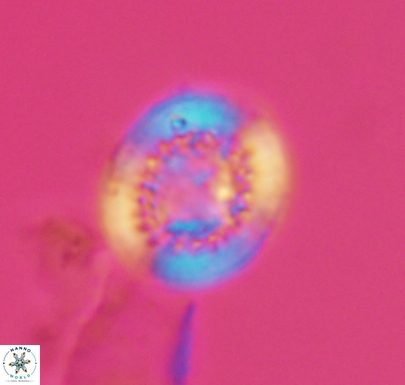
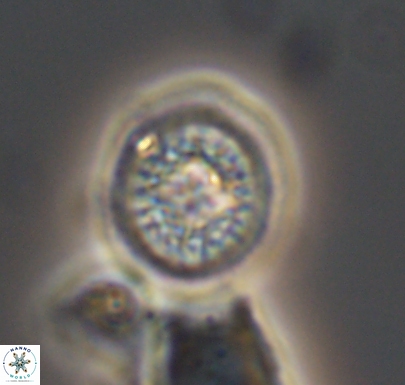
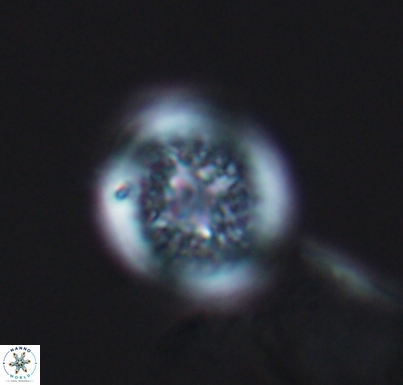
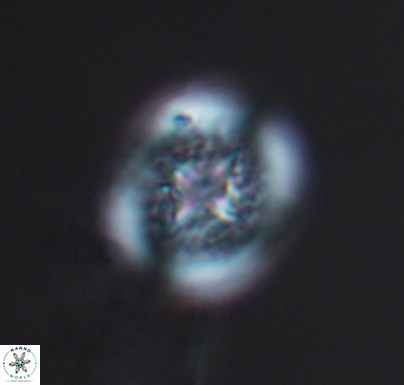
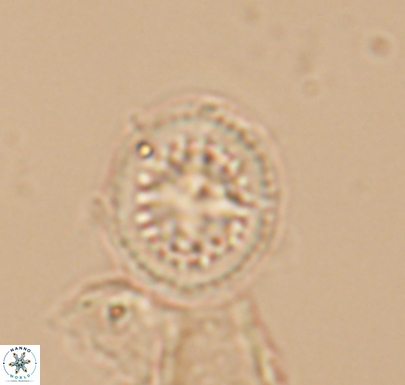
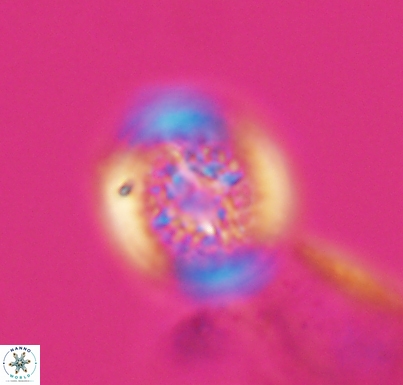
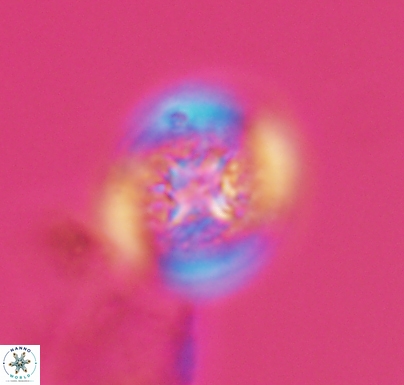
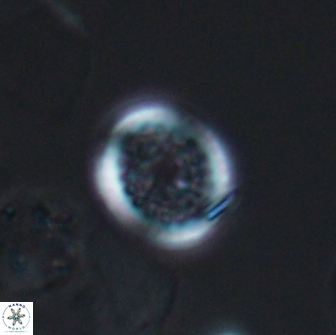
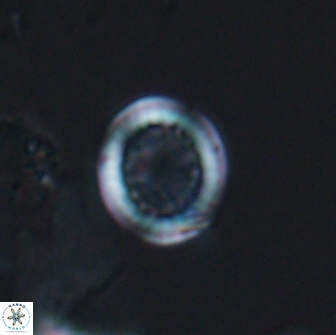
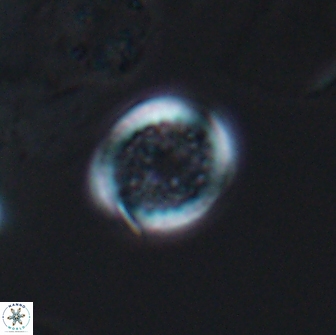
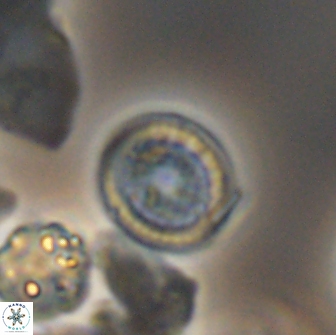
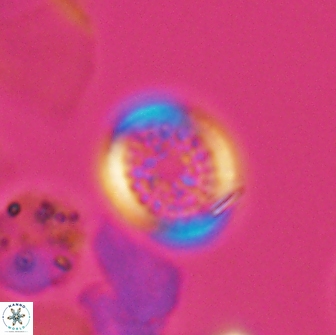
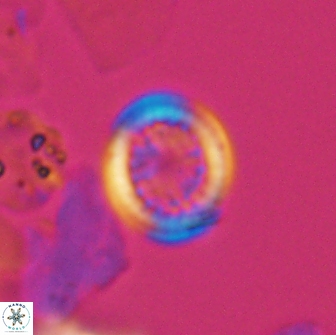
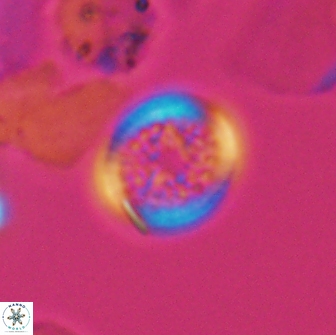
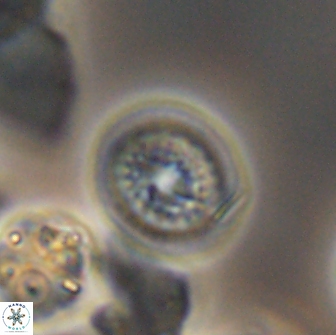
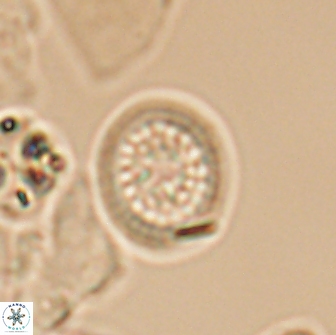
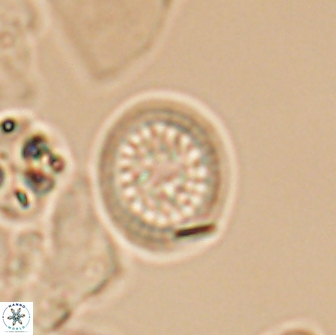
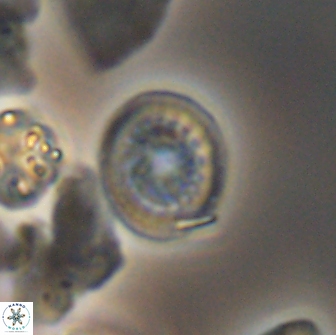
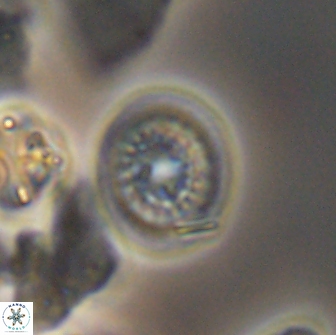
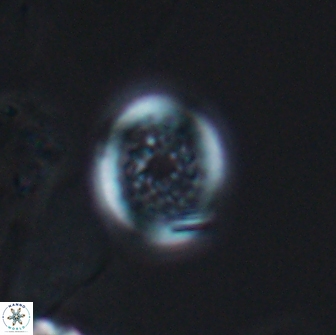
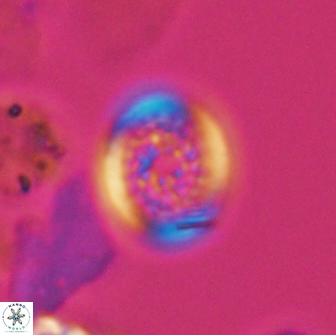
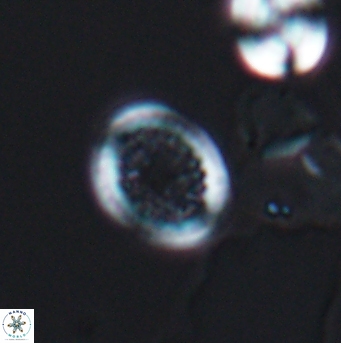
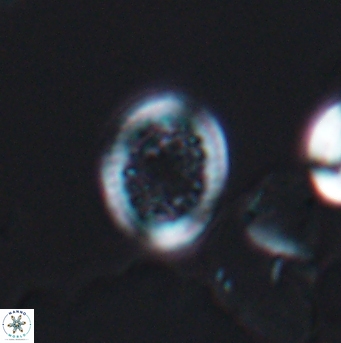
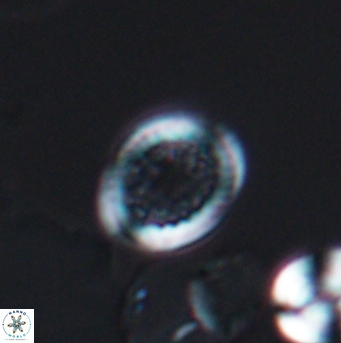
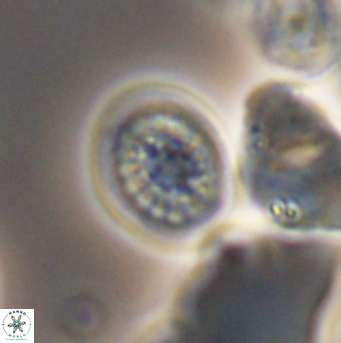
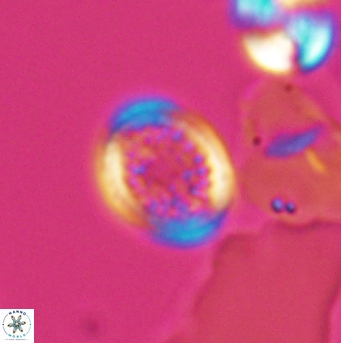
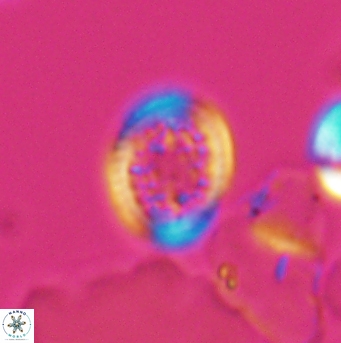
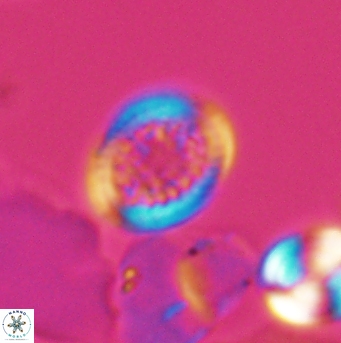
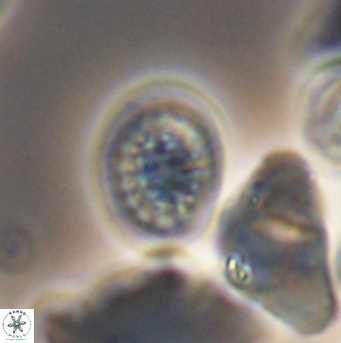
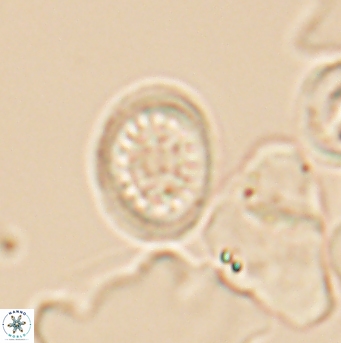
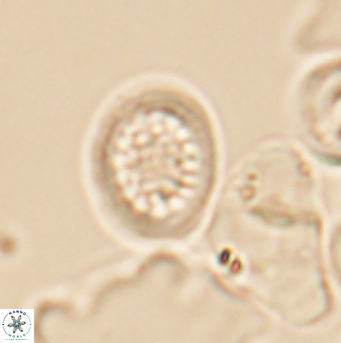
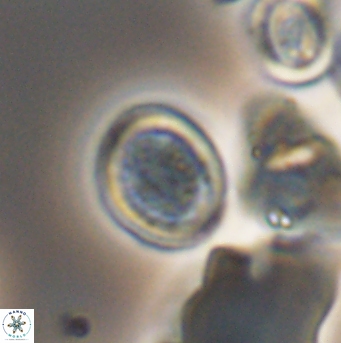
Cretarhabdus primus Black, 1971a
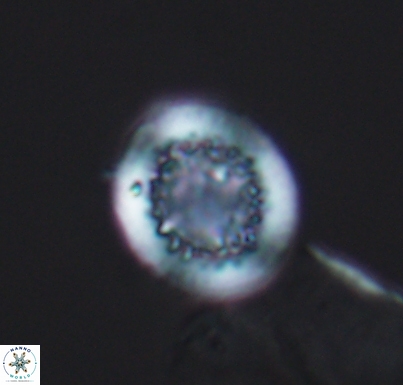
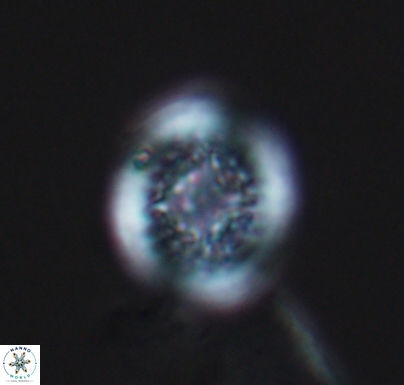
Optical properties consistent with those of Cretarhabdus.
Species of Cretarhabdus comprise a cretarhabdid pelaga sloping towards a distally arched central area, which is spanned by an axial cross supporting a distal process. The inter-cross area is occupied by lateral bars that delimit pores arranged in two or more complete concentric cycles. The number of pores in the outer cycle is typically 16, but rarely 15 or 17, a feature characteristic of Cretarhabdus primus.
Black, M. 1971a. Coccoliths of the Speeton Clay and Sutterby Marl. Proceedings of the Yorkshire Geological Society 38: 381-424.
Black, M. 1972a. British Lower Cretaceous Coccoliths. I-Gault Clay (Part 1). Palaeontographical Society Monograph. 126: 1-48.
Wise, S. W. & Wind, F. H. 1977. Mesozoic and Cenozoic calcareous nannofossils recovered by DSDP Leg 36 drilling on the Falkland Plateau, south-west Atlantic sector of the Southern Ocean. Initial Reports of the Deep Sea Drilling Project. 36: 269-491.
Cretarhabdus primus
Black, 1971a
Berriasian
Speeton Clay at Speeton, England