 1
1
 2
2
 3
3
 4
4
 5
5
 6
6
 7
7
 8
8
 9
9
 10
10
 11
11
 12
12
 13
13
 14
14
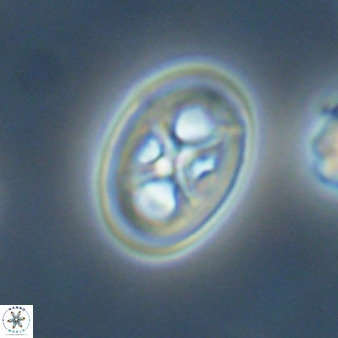 15
15
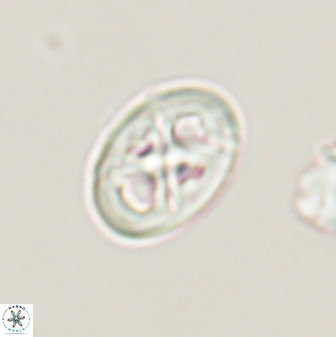 16
16
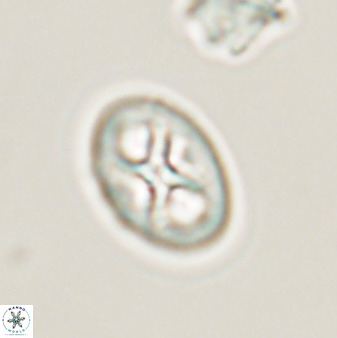 17
17
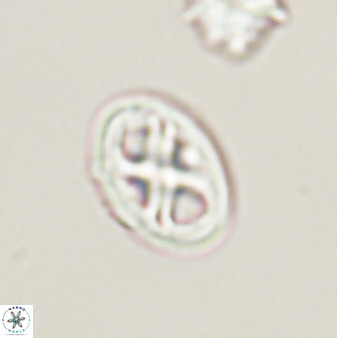 18
18
 19
19
 20
20
 1
1
 2
2
 3
3
 4
4
 1
1
 2
2
 3
3
 4
4
 1
1
 2
2
 3
3
 4
4
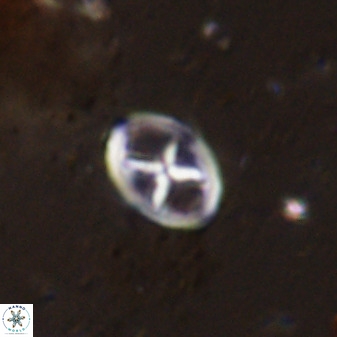
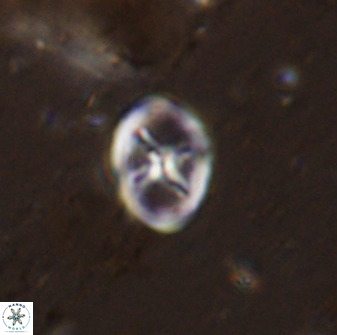
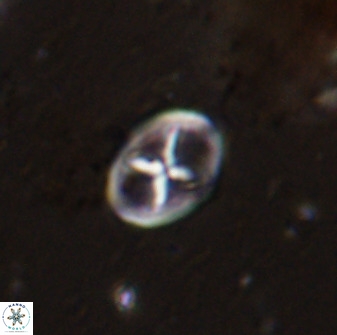
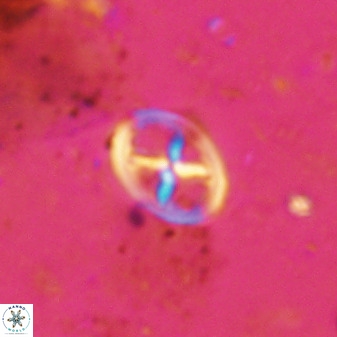
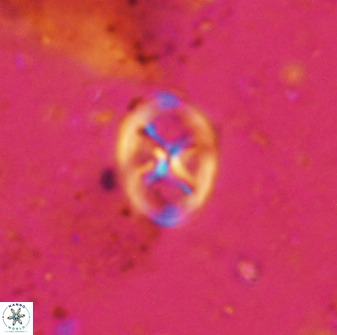
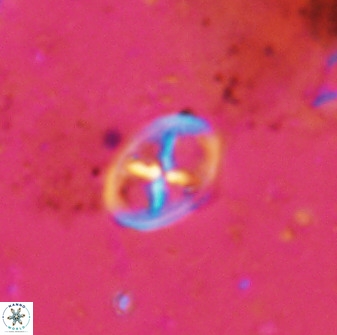
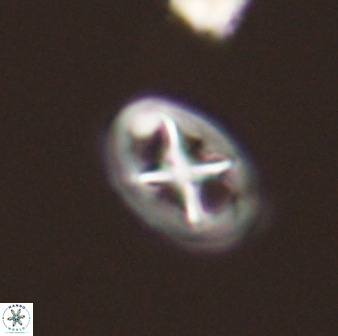
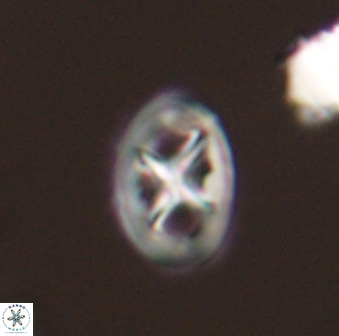
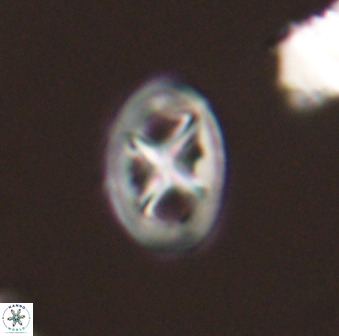
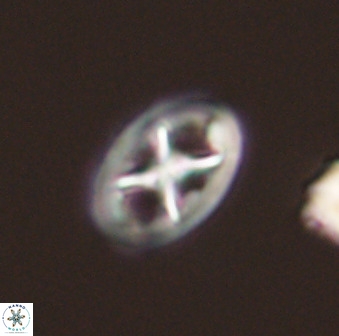
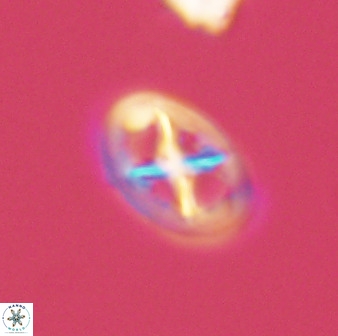
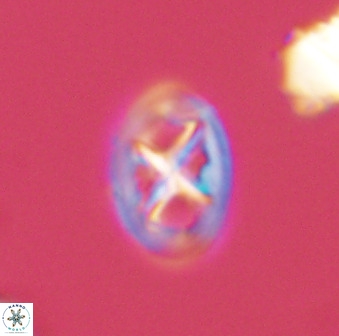
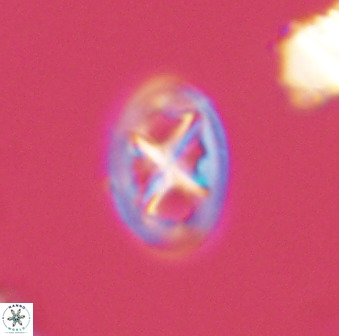
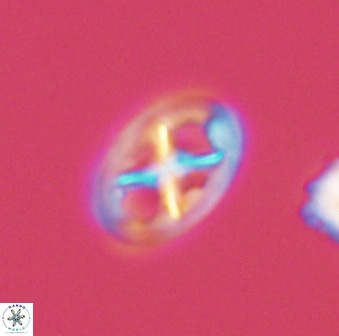
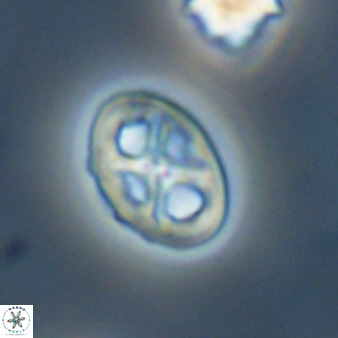
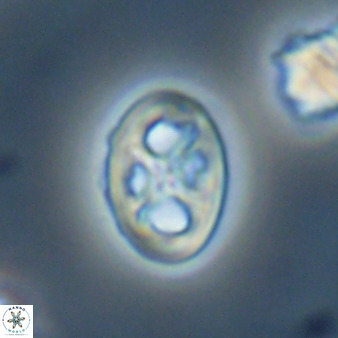
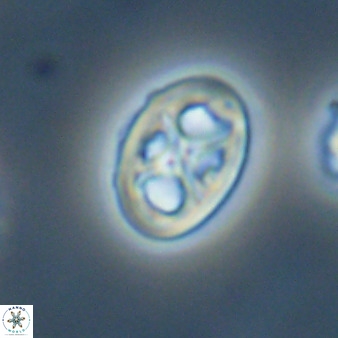
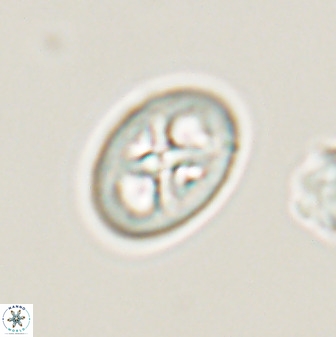
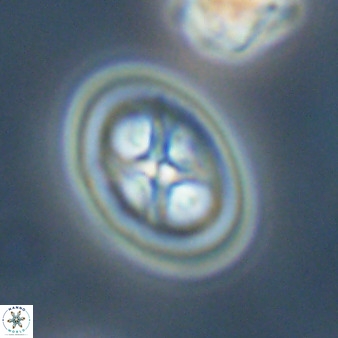
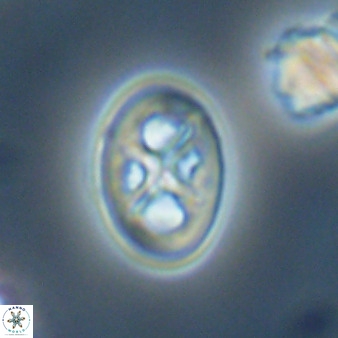
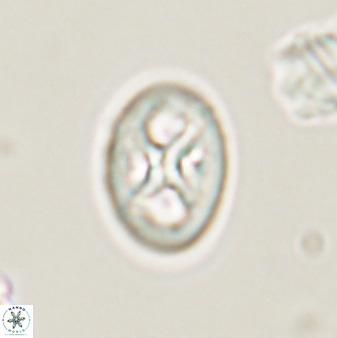
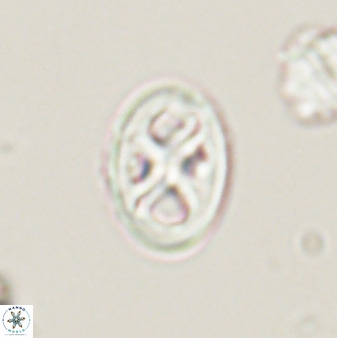
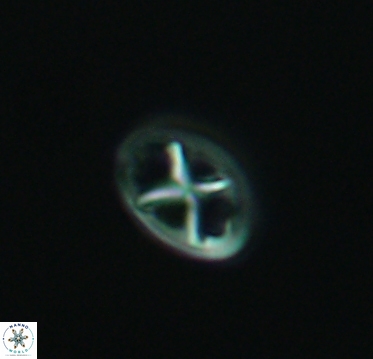
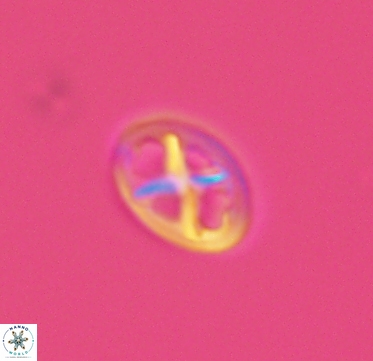
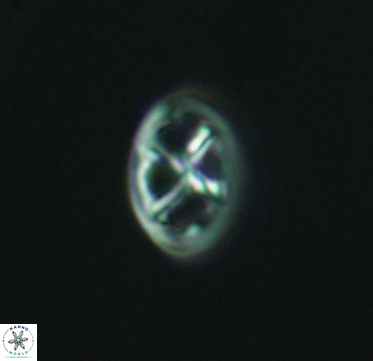
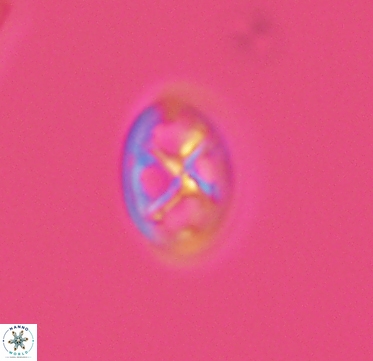
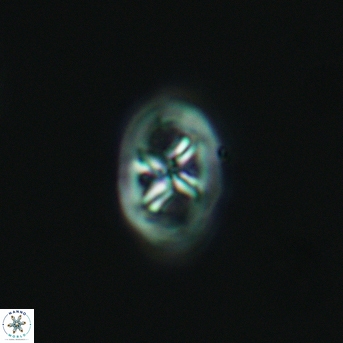
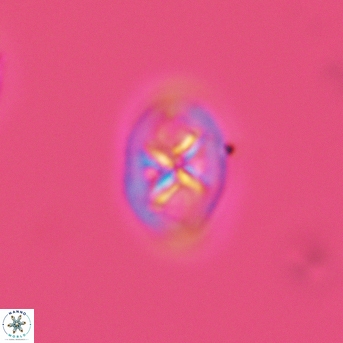
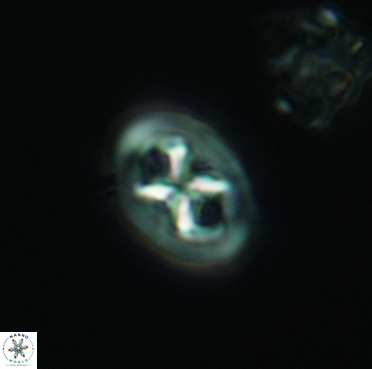
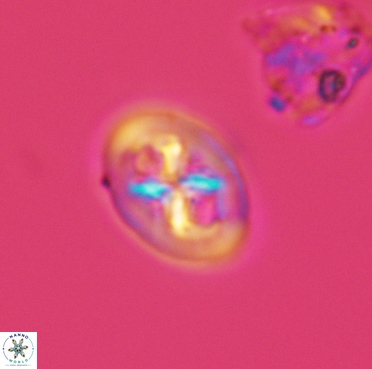
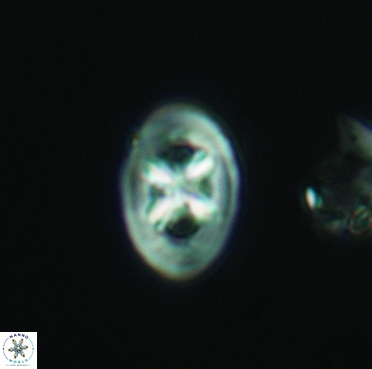
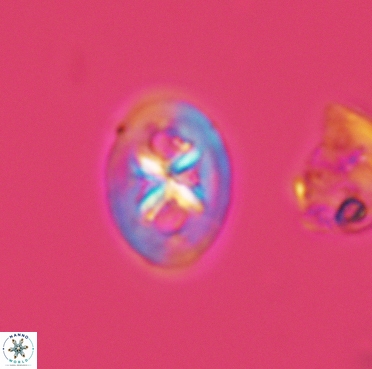
Zygodiscus amphipons Bramlette & Martini, 1964
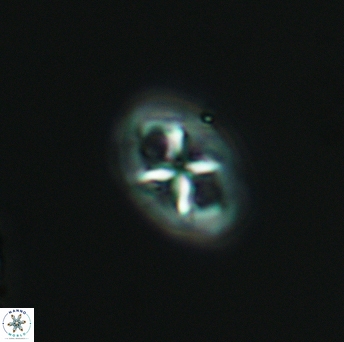
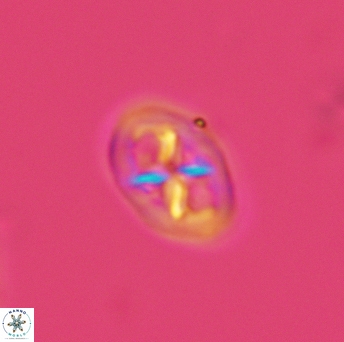
Chiastozygus lamprostauros Aguado in Aguado et al., 2022
In plan view under crossed polars, the wall and the proto-inner wall remain in constant extinction, indicating that the optic axis (c-axis) is oriented perpendicular to the microscope stage. In the cross bars, the median row of longitudinal segments displays optical properties distinct from those of the adjacent rows: it shows symmetrical extinction, with an extinction angle of approximately 45°, whereas the bordering rows exhibit parallel extinction, with an extinction angle of approximately 0°. This contrast in optical behaviour was also recognised by Bramlette & Martini (1964), who noted that the “crossbars have calcite orientation different along their central part from that of their borders”.
Species of Chiastozygus is characterised by a single wall and a proto inner wall enclosing a broad central area traversed by a commonly symmetrical diagonal cross. Each cross arm consists of three longitudinal rows of segments, with the median row positioned slightly distal to the bordering rows. This arrangement produces a subtle but consistent relief differentiation, visible in bright-field images.
Aguado, R., Company, M., O'Dogherty, L., Sandoval, J. & Martinez, M. 2022. New insights into the Barremian–lower Aptian calcareous nannofossils of the Mediterranean Tethys: Chronostratigraphic and paleobiogeographic implications. Marine Micropaleontology. 173: 1-24.
Bramlette, M. N. & Martini, E. 1964. The great change in calcareous nannoplankton fossils between the Maastrichtian and Danian. Micropaleontology. 10(2): 291-322.
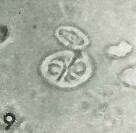
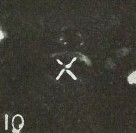
Zygodiscus amphipons
Bramlette & Martini, 1964
Late Maastrichtian
Prairie Bluff Formation, Alabama, USA