 1
1
 2
2
 3
3
 4
4
 5
5
 6
6
 7
7
 8
8
 9
9
 10
10
 11
11
 12
12
 13
13
 14
14
 15
15
 16
16
 1
1
 2
2
 3
3
 4
4
Discolithus litterarius Górka, 1957
sensu Chiastozygus litterarius Bown et al. in Bown 1998; Pl. 5.7, Fig.3
sensu Chiastozygus litterarius Burnett in Bown 1998; Pl. 6.3, Fig.5
sensu Chiastozygus fessus Salomon, 1999; The Calcite Palace. Website
sensu Chiastozygus litterarius Lees & Bown, 2005; Pl.1, Figs. 25-26.
sensu Chiastozygus litterarius Kanungo et al., 2020; Fig.4.1
Lectotype: Zygolithus litterarius (Górka, 1957) Reinhardt & Górka, 1967
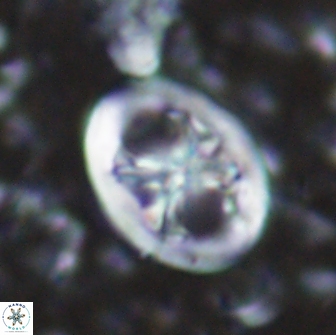
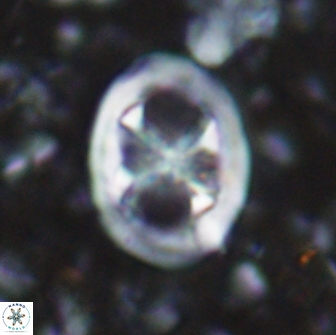
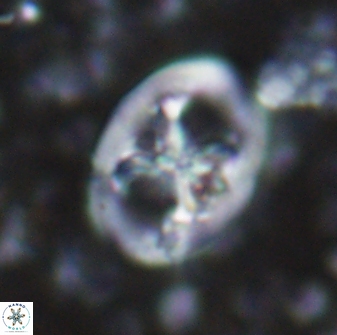
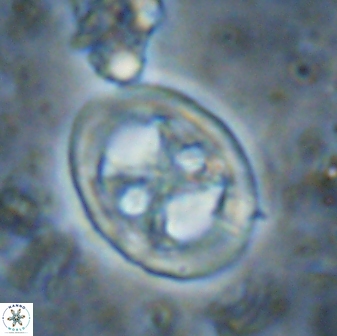
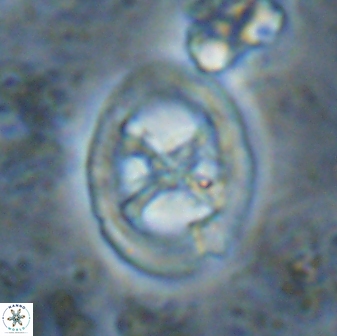
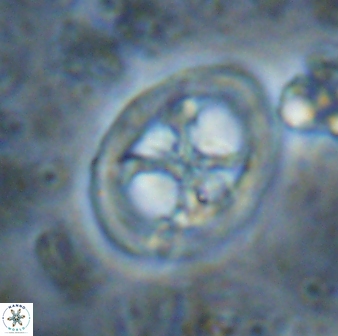
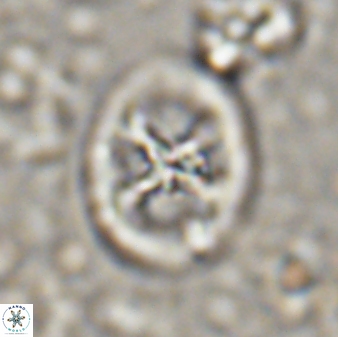
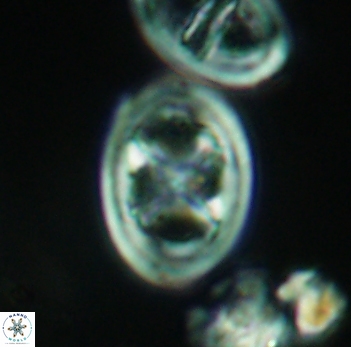
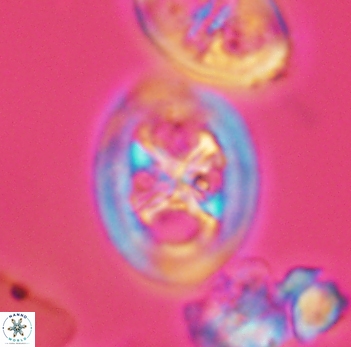
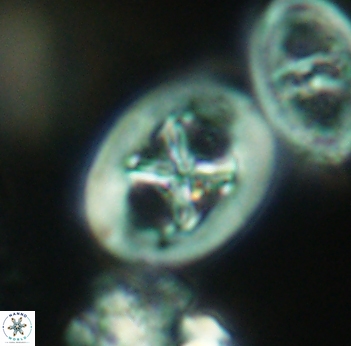
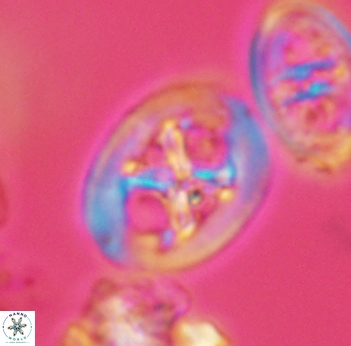
Species of Chiastozygus are characterised by a single wall and a proto inner wall enclosing a broad central area traversed by a symmetrical diagonal cross with widened, thickened termini adjacent to the wall. Each cross arm consists of three longitudinal rows of segments, with the median row positioned slightly distal to the bordering rows. This arrangement produces a subtle but consistent relief differentiation, visible in bright-field images.
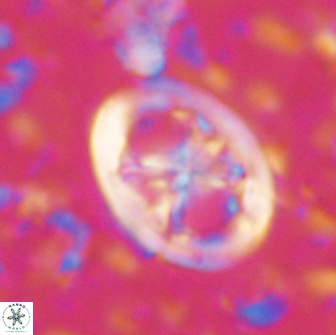
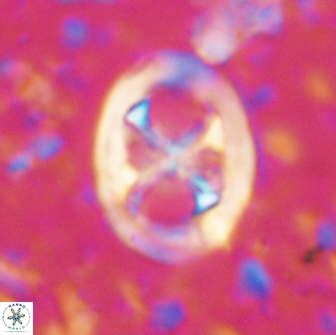
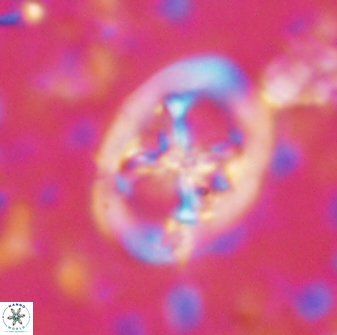
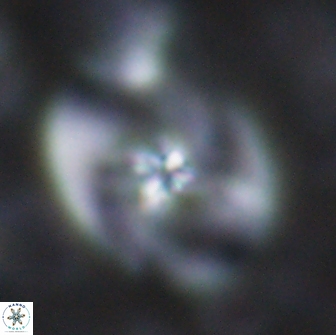
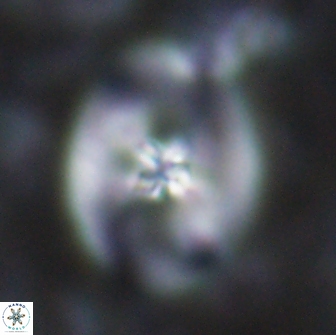
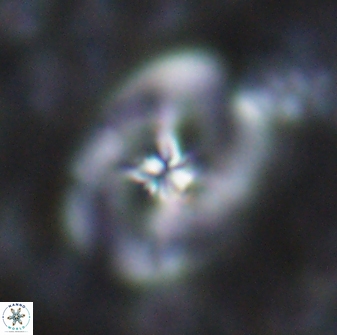
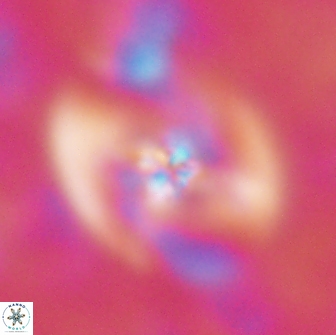
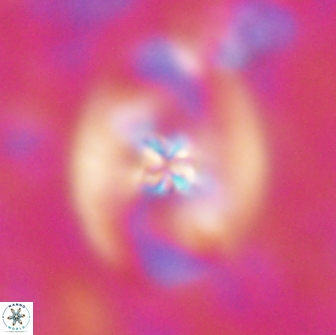
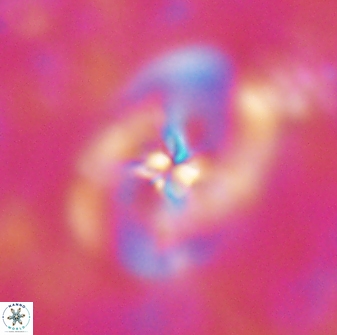
In plan view under crossed polars, the wall and proto inner wall remain in constant extinction, indicating that the optic axis (c-axis) is oriented perpendicular to the microscope stage. Within the crossbars, the median row of longitudinal segments is optically distinct from the bordering rows and exhibits symmetrical extinction at an angle of approximately 45°. The thickened termini of the diagonal cross display interference colours.
The similar forms are commonly assigned to Chiastozygus litterarius (see synonymy), although their conformity with the lectotype designated by Reinhardt & Górka (1967) remains uncertain.
Bown, P. R. & Cooper, M. K. E. 1998. Jurassic. In: Bown, P. R. (Ed.) Calcareous Nannofossil Biostratigraphy. British Micropalaeontological Society Publication Series. 34-85.
Burnett, J. A. 1998. Upper Cretaceous. In: Bown, P. R. (Ed.) Calcareous Nannofossil Biostratigraphy. British Micropalaeontological Society Publication Series. 132-199.
Górka, H. 1957. Les Coccolithophoridés du Maestrichtien supérieur de Pologne. Acta Palaeontologica Polonica. 2: 239-284
Kanungo, S., Bown, P. R. & Gale, A. S. 2020. Cretaceous (Albian-Turonian) calcareous nannofossil biostratigraphy of the onshore Cauvery Basin, southeastern India. Cretaceous Research. 118 (2021): 1-22
Lees, J.A., Bown, P.R. 2005. Upper Cretaceous calcareous nannofossil biostratigraphy, ODP Leg 198 (Shatsky Rise, Northwest Pacific Ocean). Proceedings of the Ocean Drilling Program. Scientific Results. 198: 1-60.
Manivit, H. 1971. Nannofossiles calcaires du Crétacé francais (Aptien-Maestrichtien). Essai de Biozonation appuyée sur les stratotypes. PhD thesis, Université de Paris pp. ?-?
Reinhardt, P. & Górka, H. 1967. Revision of some Upper Cretaceous Coccoliths from Poland and Germany. Neues Jahrbuch für Geologie und Paläontologie, Abhandlungen. 129(3): 240-256.
Salomon, R. 1999. The Calcite Palace. Website - https://ina.tmsoc.org/gallerie
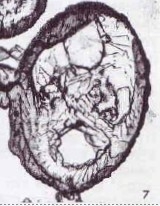
Zygodiscus litterarius
(Górka, 1957)
Reinhardt & Górka, 1967
Late Maastrichtian
Kazimiers Vistula Valley, Poland.