Watznaueria tubulata
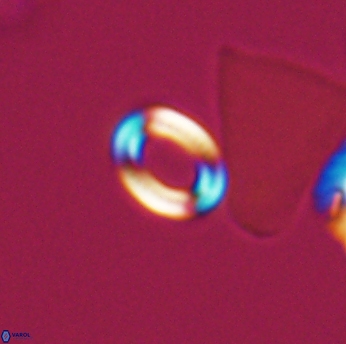
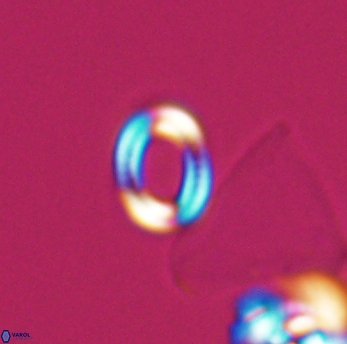
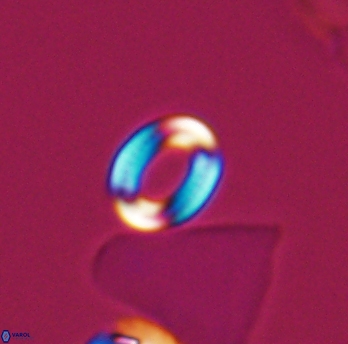
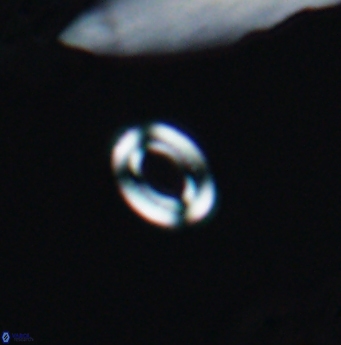
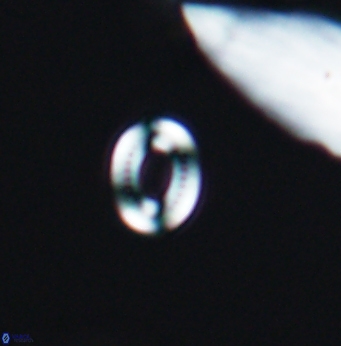
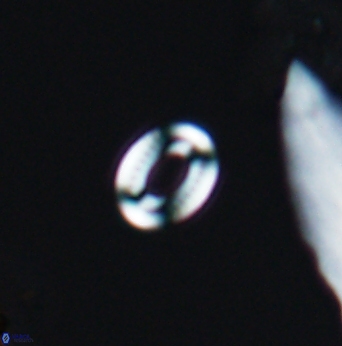
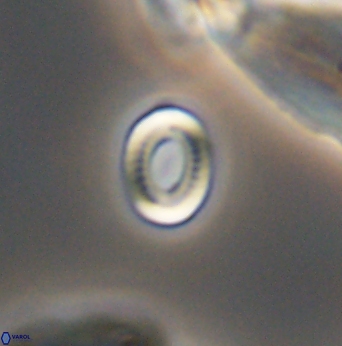
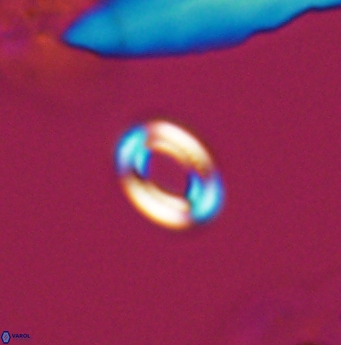
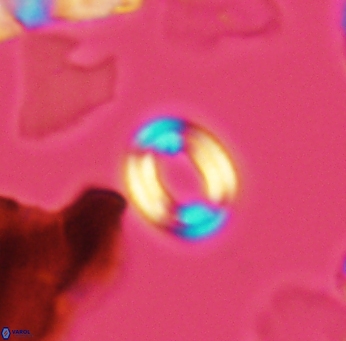
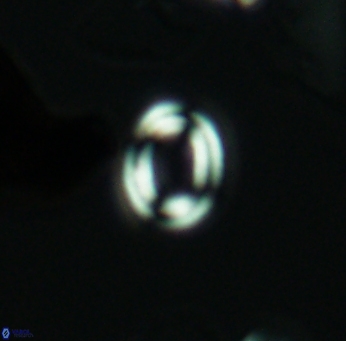
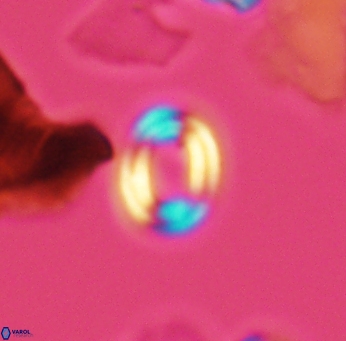
Set number: 3235
-
1
-
2
-
3
-
4
10µm
Set number: 3234
-
1
-
2
-
3
-
4
10µm
Ellipsagelosphaera? tubulata Grün & Zweili, 1980
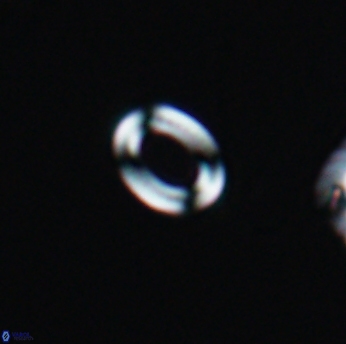
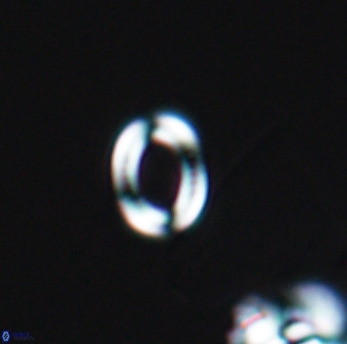
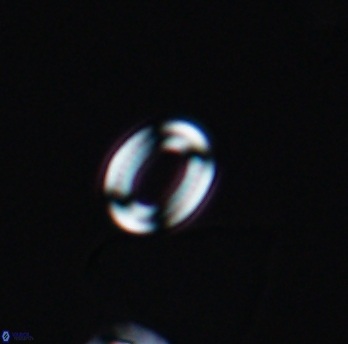
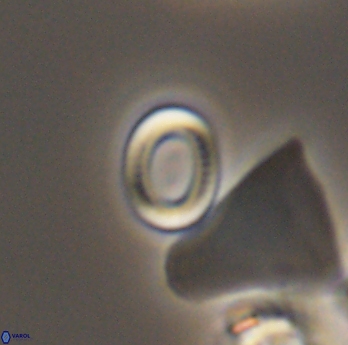
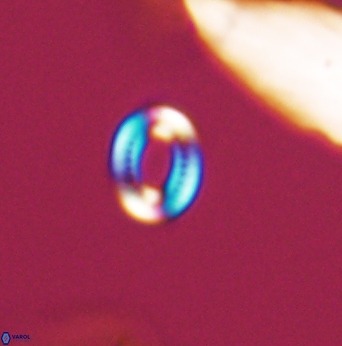
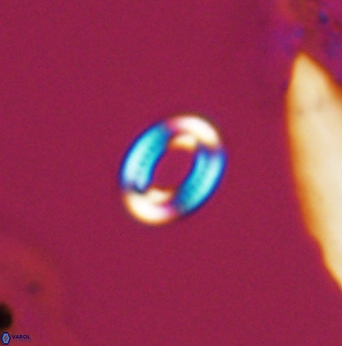
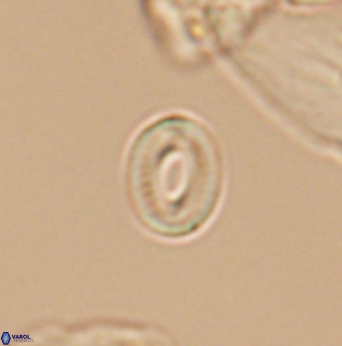
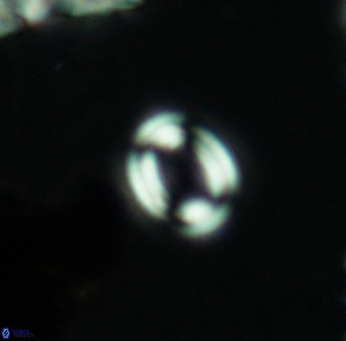
Elliptical species of Watznaueria are characterised by a large subcircular to elliptical central opening devoid of internal structures. The width of the central opening consistently exceeds that of the pelaga.
The shields, as well as the tube cycles, display first-order white interference colours with inclined extinction lines and length-fast (–) elongation. In distal view, extinction angles are approximately 82° in the shields. This angle cannot be directly measured in the tube cycles due to the oblique orientation of their constituent elements; however, the apparent angle between extinction lines in the tube cycle is about 73°, corresponding to an obliquity of about 17°. Differentiation of the inner and outer tube cycles is difficult under all illumination conditions. The locking cycle remains in constant extinction, forming a narrow dim suture between the shield and tube cycle.
Watznaueria tubulata differs from Watznaueria fossacincta and Watznaueria martelae in possessing a large central opening wider than the pelaga, whereas the latter species have smaller openings with widths less than that of the pelaga. In addition, extinction angles in the tube cycles and shields differ significantly between these taxa.
Watznaueria tubulata is further distinguished from Watznaueria coronata by its large subcircular to elliptical central opening, whereas the latter exhibits a narrow, elongate opening.
de Kaenel, E. & Bergen, J. A. 1996b. Mesozoic calcareous nannofossil biostratigraphy from sites 897, 899, and 901, Iberia Abyssal Plain: New biostratigraphic evidence. Proceedings of the Ocean Drilling Program, Scientific Results. 149: 27-59
Grün, W. & Zweili, F. 1980. Das kalkige Nannoplankton der Dogger-Malm-Grenze im Berner Jura bei Liesberg (Schweiz). Jahrbuch der Geologischen Bundesanstalt. 123: 231-341.
Holotype
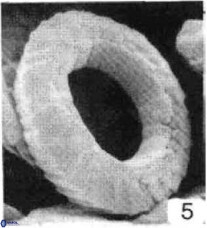
Ellipsagelosphaera? tubulata
Grün & Zweili, 1980
Middle Callovian
Liesberg Dorf, Switzerland