Watznaueria cynthae
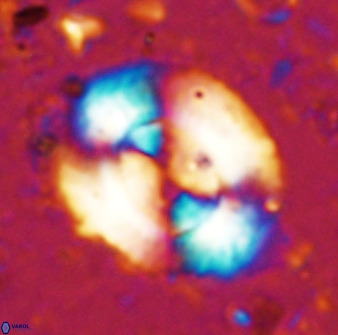
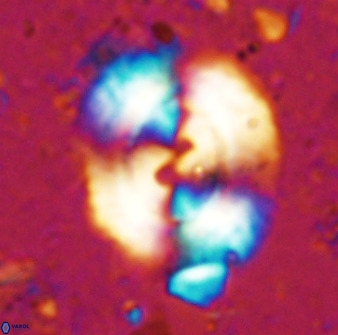
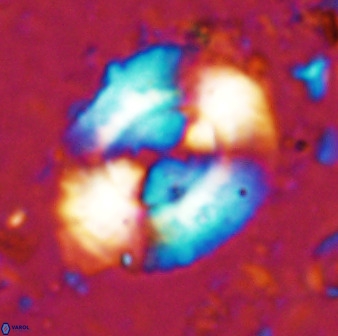
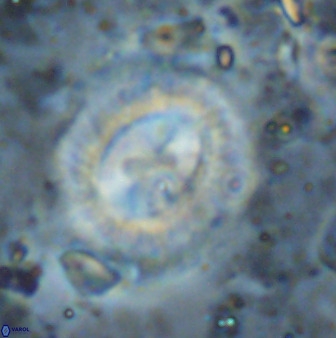
Set number: 3213
-
1
-
2
-
3
-
4
10µm
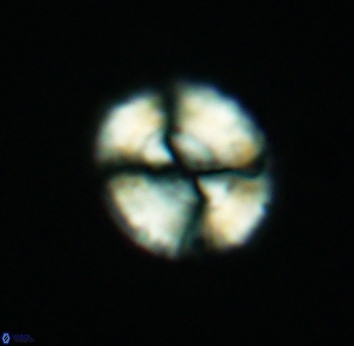
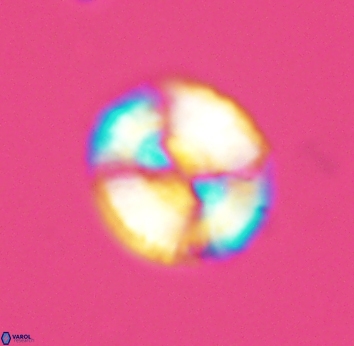
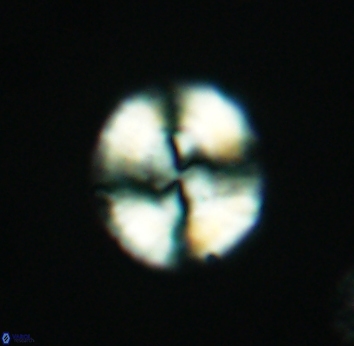
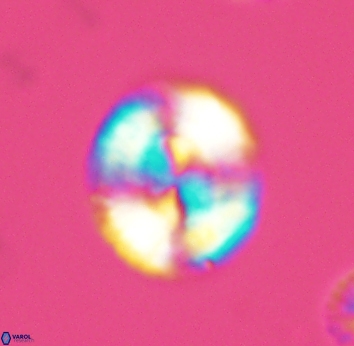
Watznaueria cynthae Worsley, 1971
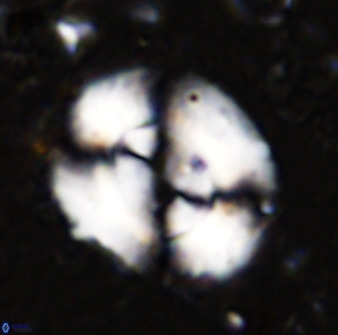
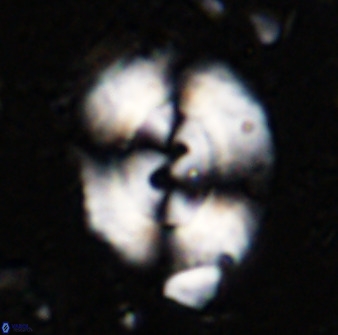
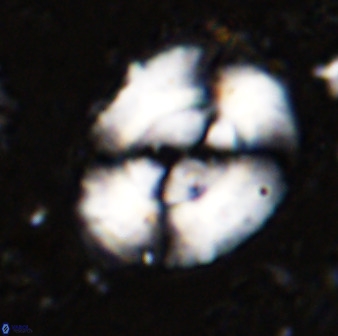
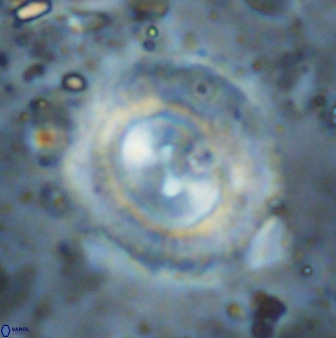
Large (>8.0 µm), subcircular to elliptical species of Watznaueria, characterised by a wide inner tube cycle bearing two pores arranged diagonally along the long axis of the placolith. The central area is often more elliptical than the shields. The narrow outer tube cycle is readily observed under phase-contrast and bright-field illumination.
The shields, as well as the inner and outer tube cycles, display first-order white interference colours with inclined extinction lines and length-fast (–) elongation. In distal view, the extinction angles are approximately 73° in the distal shield and about 68° in the tube cycles. The locking cycle exhibits interference colours, producing a transitional boundary between the tube cycle and shield, but variation in the orientation of extinction lines between the tube cycles and the shield supports the identification of a narrow outer tube cycle, in conjunction with observations under phase-contrast and bright-field illumination.
Watznaueria cynthae differs from Watznaueria biporta primarily in the arrangement of the pores: in Watznaueria cynthae, the pores are diagonally aligned, whereas in Watznaueria biporta they are aligned along the long axis of the placolith.
Worsley, T. R., 1971. Calcareous nannofossil zonation of Upper Jurassic and Lower Cretaceous sediments from the Western Atlantic. In: Farinacci, A. (ed.), Proceedings of the Second Planktonic Conference Roma 1970. Edizioni Tecnoscienza, Rome vol. 2, pp. 1301-1321.
Holotype
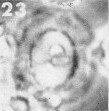
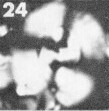
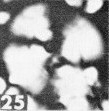
Watznaueria cynthae
Worsley, 1971
Berriasian - Valanginian
JOIDES, DSDP, Leg 1, hole 4, Caribbean Sea.